
Editorial disclosure: this is an educational game guide. Our site may earn commission from partner links elsewhere; these lessons contain no paid recommendations.
Ultimates are team resources. Coordinating a small number of compatible abilities can matter more than using every available ultimate in the same engagement.
Overwatch 2 learning hub → this lesson. Read the checkpoints in order, then use the worksheet on your own replay.
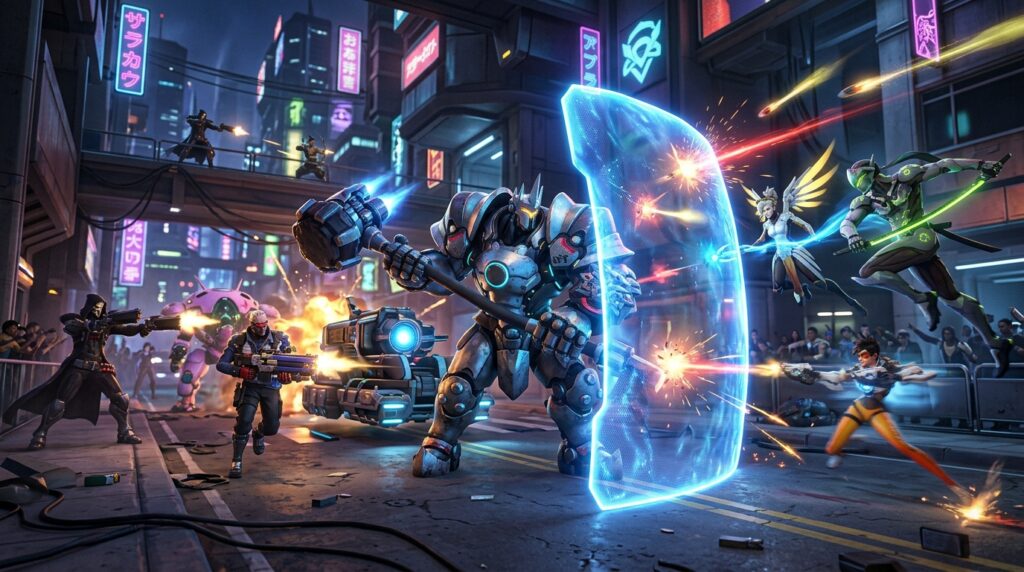
Cover image: original editorial decision checklist, not an official map or gameplay screenshot.
1. Name the next fight plan
Before contact, decide which ability starts pressure and which one protects or follows it. The plan should account for enemy escape and defensive tools. Merely announcing that several ultimates are ready does not identify when anyone should use them.
2. Avoid duplicated commitments
If an opening already wins the fight, spending another powerful resource may reduce options for the next objective contest. Watch whether a second ultimate changes the outcome or simply arrives after the useful work is complete. Communicate when the fight is already decided.
3. Track visible enemy usage
Note ultimates opponents have actually used and distinguish them from estimates. Broadcast overlays or replay information can help, but uncertain availability stays uncertain. A fight plan based on a confidently incorrect estimate can leave the team without the response it needs.
4. Review the first resource spent
Pause at the first ultimate and identify the intended result. Was the enemy grouped, were allies able to follow and was the objective relevant? A failed ability may reflect timing or positioning rather than the hero choice itself.
Quick decision table
| Checkpoint | Before committing | After acting |
|---|---|---|
| Name the next fight plan | What information supports this action in the current position? | Can the next checkpoint still be completed after this choice? |
| Avoid duplicated commitments | What information supports this action in the current position? | Can the next checkpoint still be completed after this choice? |
| Track visible enemy usage | What information supports this action in the current position? | Can the next checkpoint still be completed after this choice? |
| Review the first resource spent | What information supports this action in the current position? | Can the next checkpoint still be completed after this choice? |
Practice worksheet: turn the lesson into a decision
Use one replay, training situation or recorded match from Overwatch 2. Choose a sequence where the issue in this guide appears. Watch the lead-up once without pausing, then return to the point before the important commitment. The aim is to describe a choice clearly enough that you can recognise a similar situation again.
- Describe the starting state. Write who can participate, what resources are available and which part of the map or objective matters. Separate directly visible information from assumptions. If a player or resource is not visible, record it as unknown instead of filling the gap with hindsight.
- Check the first decision. Begin with “Name the next fight plan”. Describe the action that was taken and one realistic alternative. An alternative must respect what the player could know and reach at that moment; it cannot depend on seeing the rest of the replay.
- Follow the consequence. Look for what the choice changed: access to space, a teammate’s options, a resource, or control of the objective. Record the consequence before scoring the final result. A good decision can still lose an exchange, while a poor one can survive through an opponent’s error.
- Repeat one correction. Use a consistent practice setup where possible. Keep the same role, controls and starting task while changing one decision. In the next replay, check whether the intended action occurred. This is a self-review exercise; we have not measured a rank, win-rate or latency improvement.
Illustrative situation
A team wins an opening pick with one ultimate, then spends two more while the remaining opponents retreat. The useful review asks whether those extra resources secured anything the team could not already obtain, and how the next fight was affected.
Use that example as a question, not a script. What information would justify the action in your own game? What new threat would make you stop? Write a short failure condition beside the plan, so the lesson includes when to change course as well as when to act.
Questions about this lesson
What should I practise first?
Start with “Name the next fight plan”. Choose a situation you can repeat or identify clearly in a replay. Add the next checkpoint only when you can explain why the first action was appropriate. This keeps practice focused on a decision rather than a collection of tips.
What is the most common review trap here?
Using every ready ultimate because a fight has started. Compare the information available before the choice with what the replay reveals afterward. Those are different views of the same situation. The useful correction is a habit you can apply without knowing the future.
Does this replace the current game or event rules?
No. Check the publisher’s current client notes and the organiser’s rulebook for costs, timings, map pools, restrictions and competition format. This lesson explains a decision process and avoids fixed patch-specific values that could become stale.
Can a scoreboard prove this lesson worked?
A scoreboard can show a result, but it does not describe the choices that produced it. Review the relevant sequence and compare similar situations. Avoid attributing a win to one setting or tactic when opponents, teammates and the game state also changed.
Scope and limitations
- Examples are illustrative teaching scenarios, not claims of hands-on match testing or guaranteed outcomes.
- Balance changes and event settings can change the correct implementation; confirm the current rules before using a fixed build or sequence.
- The match centre shows only available provider records. Missing information is not evidence that no tournament or match exists.
Sources and editorial method
Overwatch 2: official publisher reference establishes the game context. The practice checkpoints and examples are original editorial analysis prepared with AI assistance. Diagrams are educational artwork, not evidence of a played match. For match times, event formats and restrictions, use the current organiser announcement. See our match-data method and editorial standards for attribution and data limits.
Premier Esports Betting & Live Streams
Comprehensive tournament coverage for CS2, Dota 2, and LoL with fast payouts.
Visit SportsBetting.ag Esports Official Portal →