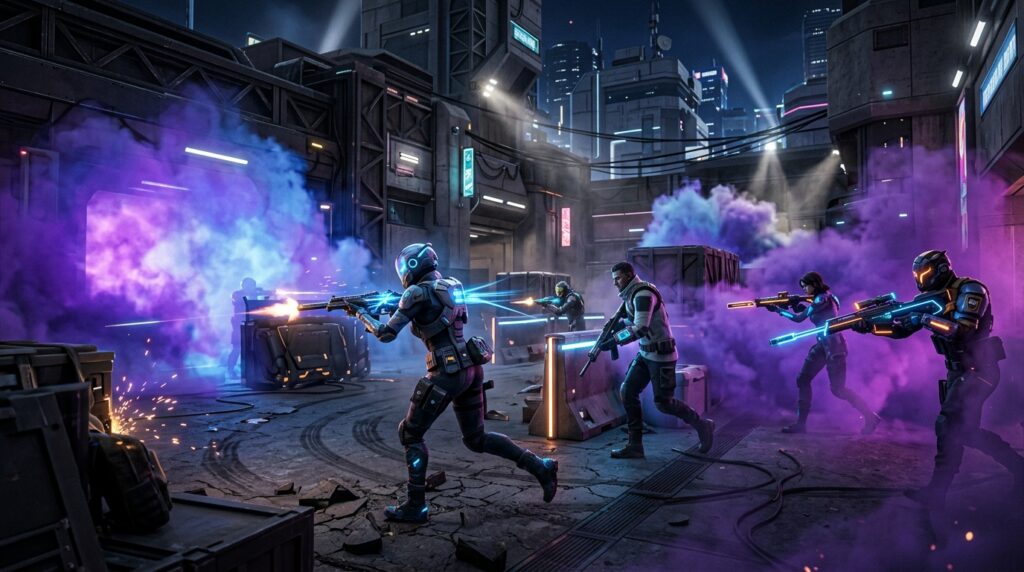
ValorantPatch & Meta Intel
Valorant economy and coordinated team buys
Credit decisions affect more than the weapon in your hand. The team needs enough firepower and abilities to carry out a shared round plan.
Read story ↗ EsportsSignal
Game guides, strategies and replay practice for all twelve games.
Decision diagrams and practical exercises.
Credit decisions affect more than the weapon in your hand. The team needs enough firepower and abilities to carry out a shared round plan.
Read story ↗After a plant, time and Spike access become central. Positioning should protect information and let teammates respond together.
Read story ↗Agent roles describe tools, not permission to play alone. Build a composition around how the team enters, holds and retakes space on the selected map.
Read story ↗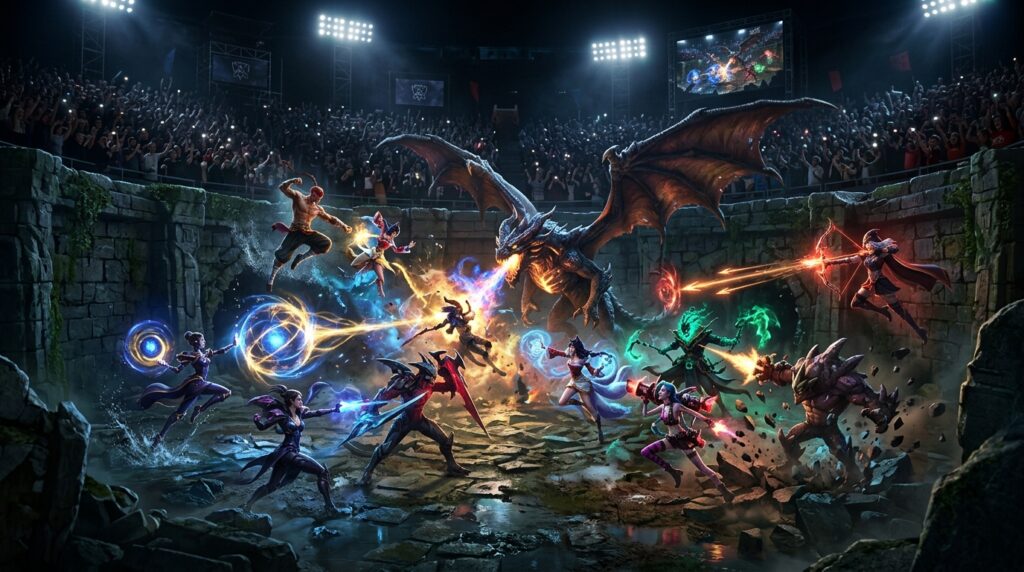
The right target depends on access and safety. A backline champion may be valuable, but walking through an enemy frontline to reach it can lose…
Read story ↗Neutral-objective control is built through lane pressure, information and a coordinated approach. Arriving first is useful only if the team can hold that space safely.
Read story ↗A good recall starts with a wave decision. Understanding lane jobs helps you return with items without surrendering unnecessary resources or leaving a teammate exposed.
Read story ↗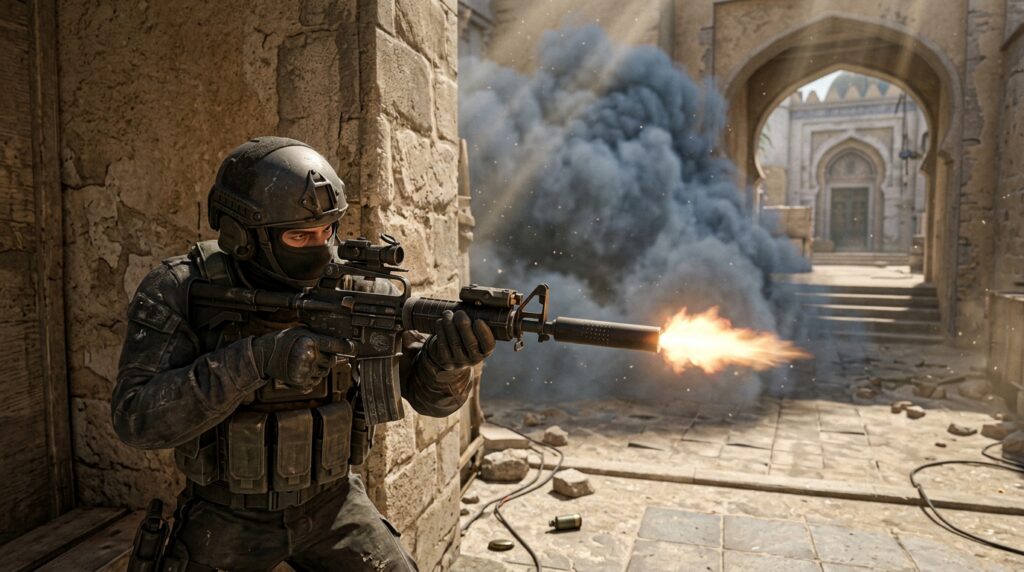
A map veto tells you the battlegrounds selected for a series. It does not produce a win probability by itself. Use it to choose what…
Read story ↗A site plan should answer where the team gains space, which defenders are isolated and how the bomb is protected. Memorised throws help only when…
Read story ↗Aim becomes useful when your teammate can survive or trade the same contact. This guide connects crosshair preparation with distance between players and the order…
Read story ↗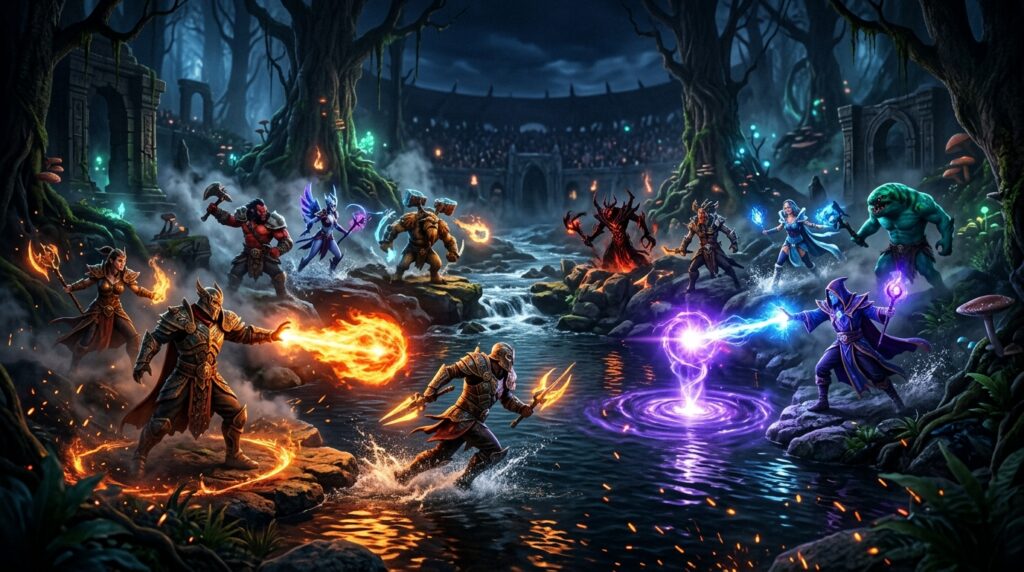
A draft describes ways a team can win fights and reach buildings. Reading it requires more than comparing favourite heroes: identify initiation, damage delivery, protection…
Read story ↗An objective attempt begins before heroes enter the pit. Lane pressure, enemy locations and information about approach routes determine whether an attempt is controlled or…
Read story ↗Positions describe a team’s intended resource distribution. They are a starting point for understanding who should take a safe wave, not a rule that prevents…
Read story ↗